



Corns and bunions are often considered a normal part of life, especially if we spend long hours standing, walking a lot or wearing certain types of shoes. However the truth is that they are often a sign that the load on the foot is not being distributed properly.
Why do corns develop?
A corn is a thickened area of skin that forms due to repeated pressure or friction. It is the body’s natural protective response.
Corns most commonly appear:
- Under the ball of the foot
- Under the big toe
- Under the little toe
- On the heel
- Along the outer edge of the foot
The location of a corn often indicates where the greatest pressure is being concentrated. Different areas of the foot may be associated with different patterns of weight distribution.
Corns under the ball of the foot
These are often linked to excessive pressure on the front part of the foot, which may occur in cases of:
- A fallen transverse arch
- Wearing high-heeled shoes
- Improper weight transfer while walking
Corns under the big toe
These may be associated with changes in the function of the big toe and the way the foot pushes off during walking.
Corns on the outer edge of the foot
These can sometimes indicate that body weight is being transferred excessively to the outer side of the foot. It is important to note that the location of a corn alone cannot provide a diagnosis, but it can be a valuable indicator during a foot analysis.
What are bunions?
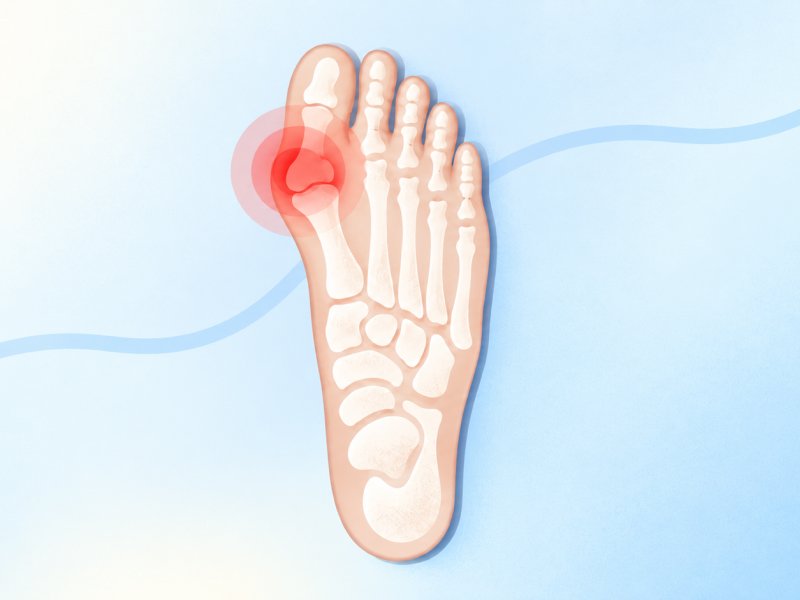
When people refer to a “bunion” they usually mean the bony prominence at the base of the big toe (hallux valgus). This condition develops gradually and may be related to a combination of factors:
- Genetics
- Foot structure
- Improper weight distribution
- Certain types of footwear
Bunions are often accompanied by:
- Pain
- Redness
- Difficulty wearing shoes
- Changes in the way you walk
How does the way we walk affect the development of bunions?
When body weight is not distributed evenly certain structures of the foot are subjected to greater stress. Over time this can lead to:
- A change in the position of the big toe
- Increased pressure on the front of the foot
- Corns forming around the big toe
- Discomfort during movement
Why does not removing corn solve the problem?
Many people regularly remove corns with a file, creams or during a pedicure. This may temporarily improve comfort but if the underlying cause of the pressure remains the corn often returns.
That is why it is important to determine why that specific area is being overloaded.
How can a foot analysis help?
A modern foot analysis allows specialists to evaluate:
- How you walk
- How weight is distributed
- Where pressure is concentrated
- Whether there is asymmetry between the two feet
- Whether the foot arch is functioning effectively
What solutions may help?
Depending on the results, recommendations may include:
- Appropriate footwear
- Foot exercises
- Changes in daily load and activity
- Custom orthotic insoles
Custom orthotic insoles are made according to the shape of your feet and the way you walk. They can help distribute pressure more evenly, reduce tension, and improve comfort while walking and standing.
When should you pay attention?
It is a good idea to have a foot analysis if:
- Corns keep coming back
- You have pain around a bunion
- You feel pressure in the front of the foot
- Your shoes have become uncomfortable
- You have knee or back pain without a clear cause
Corns and bunions are often a warning sign rather than just a skin problem. Instead of focusing only on the symptoms, it is important to understand the cause behind them.
A foot analysis can help identify the source of the problem and determine the most appropriate solution for more comfortable and stable movement.
If you frequently experience corns, bunions, or foot pain, book a free foot analysis at one of our locations to better understand how your feet are being loaded.